

Technologies / Line 02
GREENEST GREEN®
Mineral nutrition and plant biology held together in one crystalline, fully water-soluble formulation.
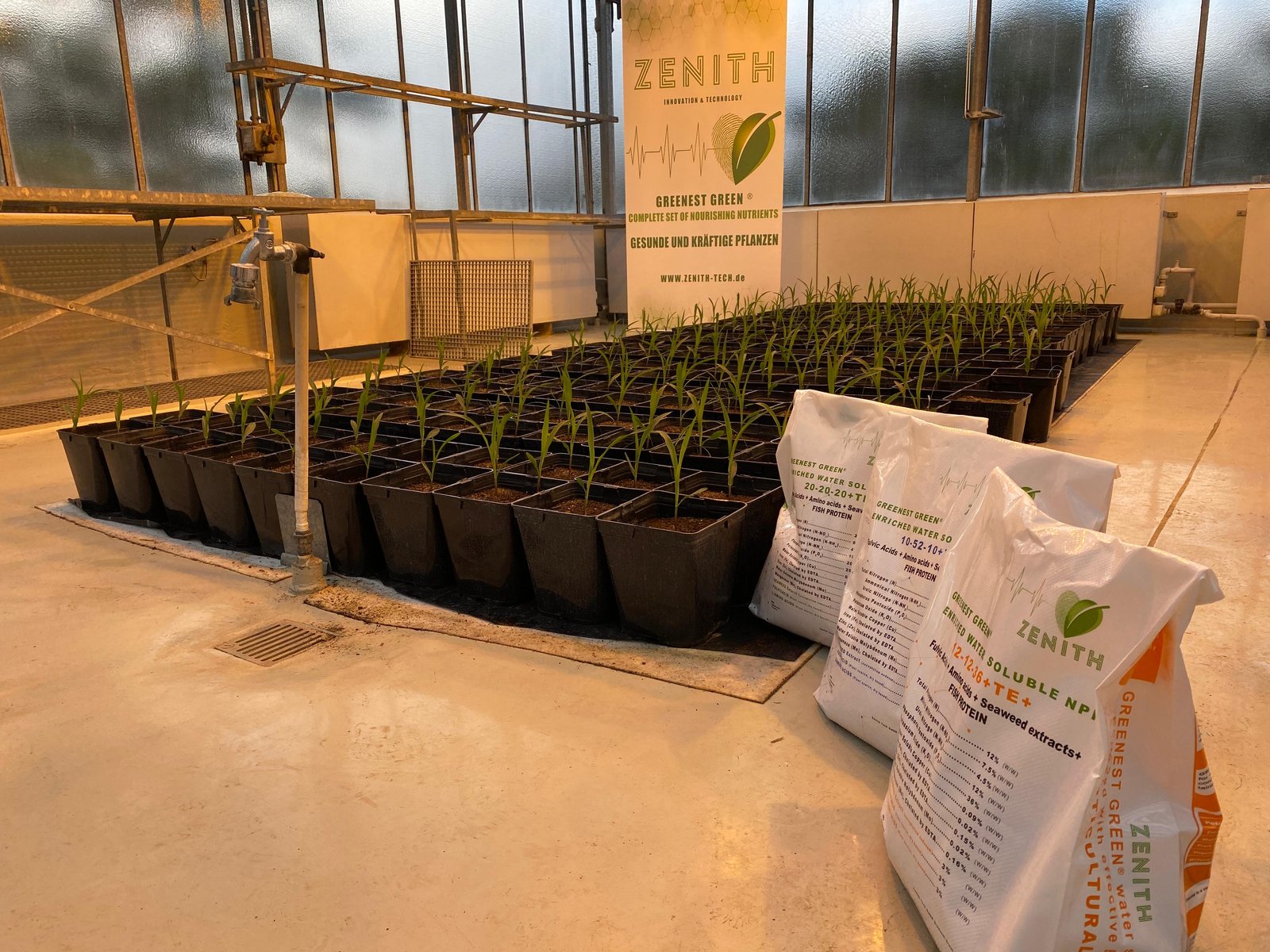
The formulation problem this line solves
Anyone can put minerals in a bag. Anyone can sell a biostimulant. Holding both in one stable, fully soluble crystalline product is the part that is difficult.
GREENEST GREEN® is a multi-nutrient, multifunctional crystalline fertiliser for foliar, fertigation and soilless application across arable, vegetable, floriculture and orchard crops. Balanced nitrogen, phosphorus and potassium, enriched with magnesium and sulphur, and carrying all six micronutrients — boron, copper, iron, molybdenum, manganese and zinc.
On top of that mineral base sit the biological actives: fulvic acids, amino acids, seaweed extract, chitosan, deep-sea fish protein, mannitol and betaine. Each answers a different limitation, and each has to remain stable alongside the others in the same crystal.
Amino acids
Nitrogen the plant does not have to reduce
Nitrate has to be reduced to nitrite, then to ammonium, then built into an amino acid before the plant can use it — four enzymatic steps, each costing energy the crop could have spent on growth. Supplying L-amino acids directly skips the whole sequence. The effect is largest exactly when the plant can least afford the energy: under heat, after transplanting, during rapid fruit fill.

Fulvic acids
The carrier across the membrane
Fulvic molecules are small enough to cross the cuticle and the cell wall, and they carry chelated metals with them. That is why iron, zinc and manganese in this line reach the inside of the cell rather than sitting on the leaf surface. Fulvic acid is also the fraction that stays soluble across the whole pH range, so it keeps working in hard water and on calcareous soil.

Seaweed extract
Signals, not just nutrients
Ascophyllum extract contributes almost no nutrition by weight. What it contributes is signalling: cytokinin-like and auxin-like activity that influences cell division and root initiation, betaines that support osmotic balance, and alginates that improve water holding. It changes how the plant behaves rather than what it is fed.

Chitosan
Priming the plant’s own defence
Chitosan is recognised by the plant as a fragment of fungal cell wall. The receptor binds it, defence genes switch on, and pathogenesis-related proteins are produced before any pathogen arrives. The plant is not protected chemically — it is prepared. That is a different mechanism from a fungicide and it does not replace one.

Deep-sea fish protein
Short peptides, fast uptake
Fish protein hydrolysate supplies free amino acids and short peptides together with the trace elements and nucleotides that come with marine tissue. Cold processing matters: it keeps the peptide chains short, which is what makes them available in hours rather than weeks. Longer chains release slowly and extend the effect through the rest of the application interval.

Mannitol and betaine
Holding water inside the cell
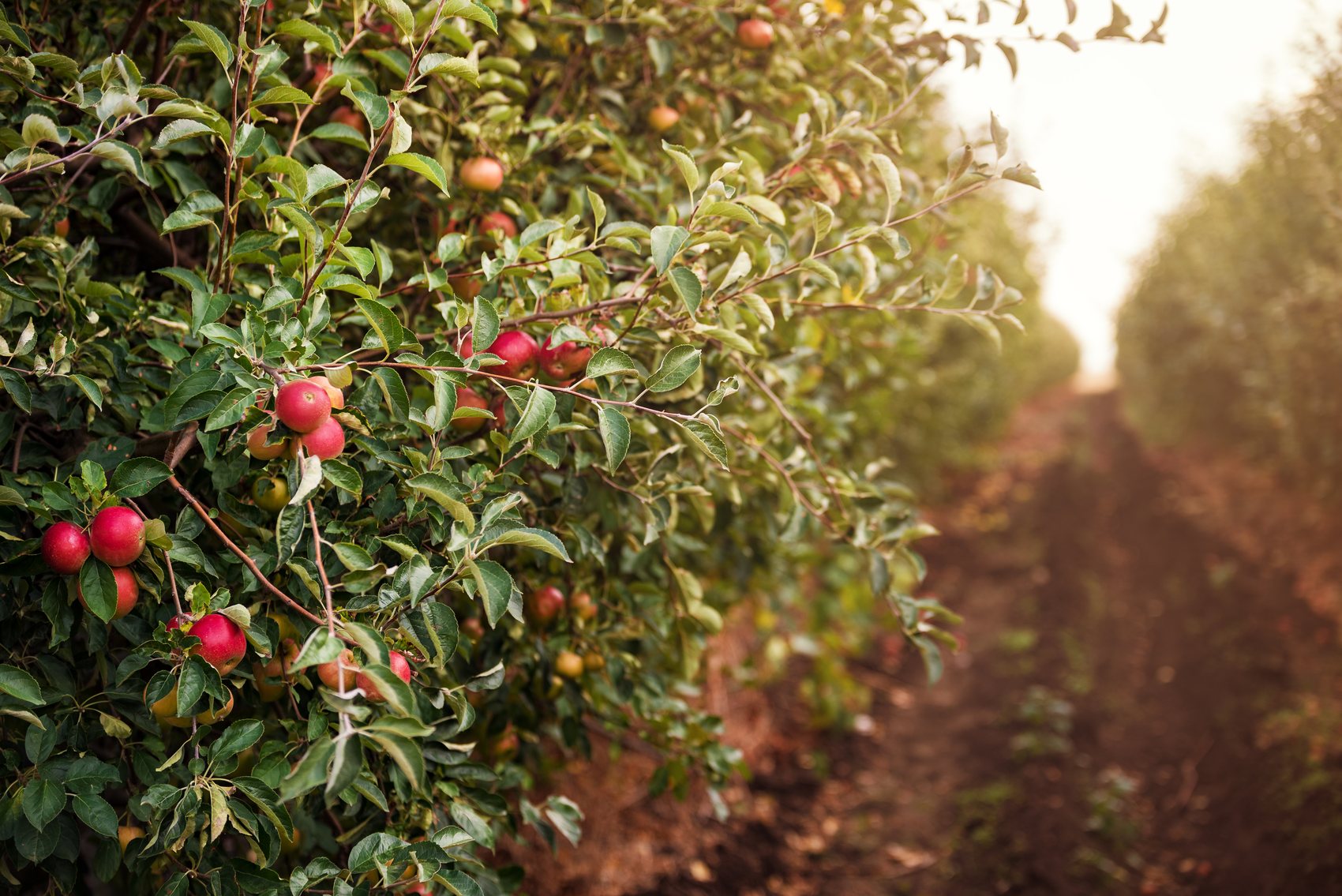
Both are compatible solutes: the plant can accumulate them to high concentration without disturbing enzyme function. They lower the osmotic potential of the cell so it holds turgor when the soil solution turns against it, and they protect protein structure through heat and cold. This is the part of the formulation that works hardest in a difficult season rather than an easy one.
The grades
Each grade carries the full trace-element package and the complete biological suite. The NPK ratio changes; what sits on top of it does not.
| Grade | Role | Where it fits |
|---|---|---|
| 20-20-20 + TE | Balanced | Vegetative growth and early production, the reference grade of the line |
| 10-52-10 + TE | Phosphate-led | Establishment and root initiation, where early vigour decides the season |
| 12-12-36 + TE | Potassium-led | Fruit fill, sugars, colour and firmness |
All three are enriched water-soluble NPK with fulvic acids, amino acids, seaweed extracts and fish protein. Further ratios are produced to order.
Measured, not asserted
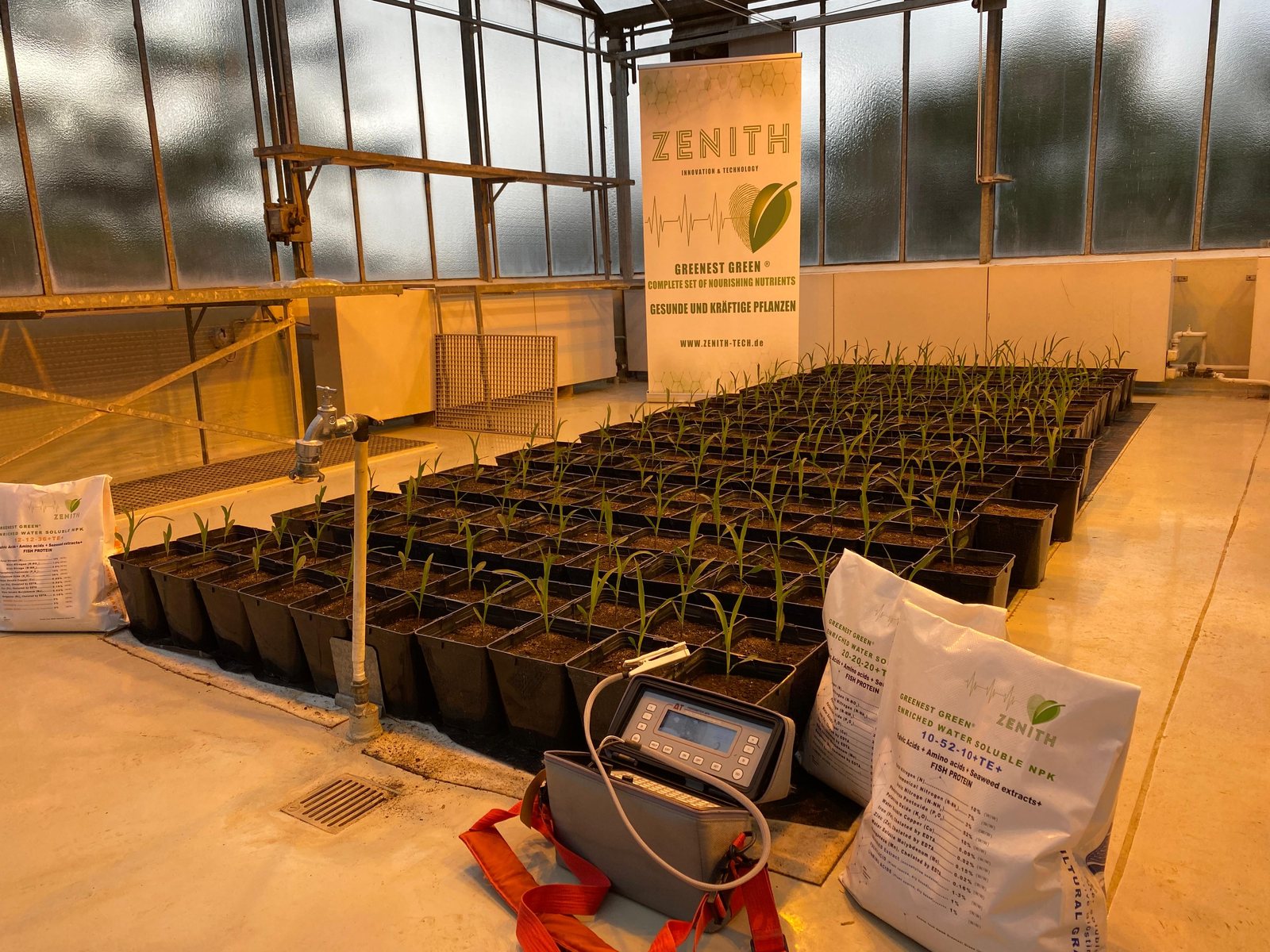
Biostimulant claims are easy to make and hard to prove. Ours are tested in our own greenhouse against untreated controls, with instruments rather than impressions.
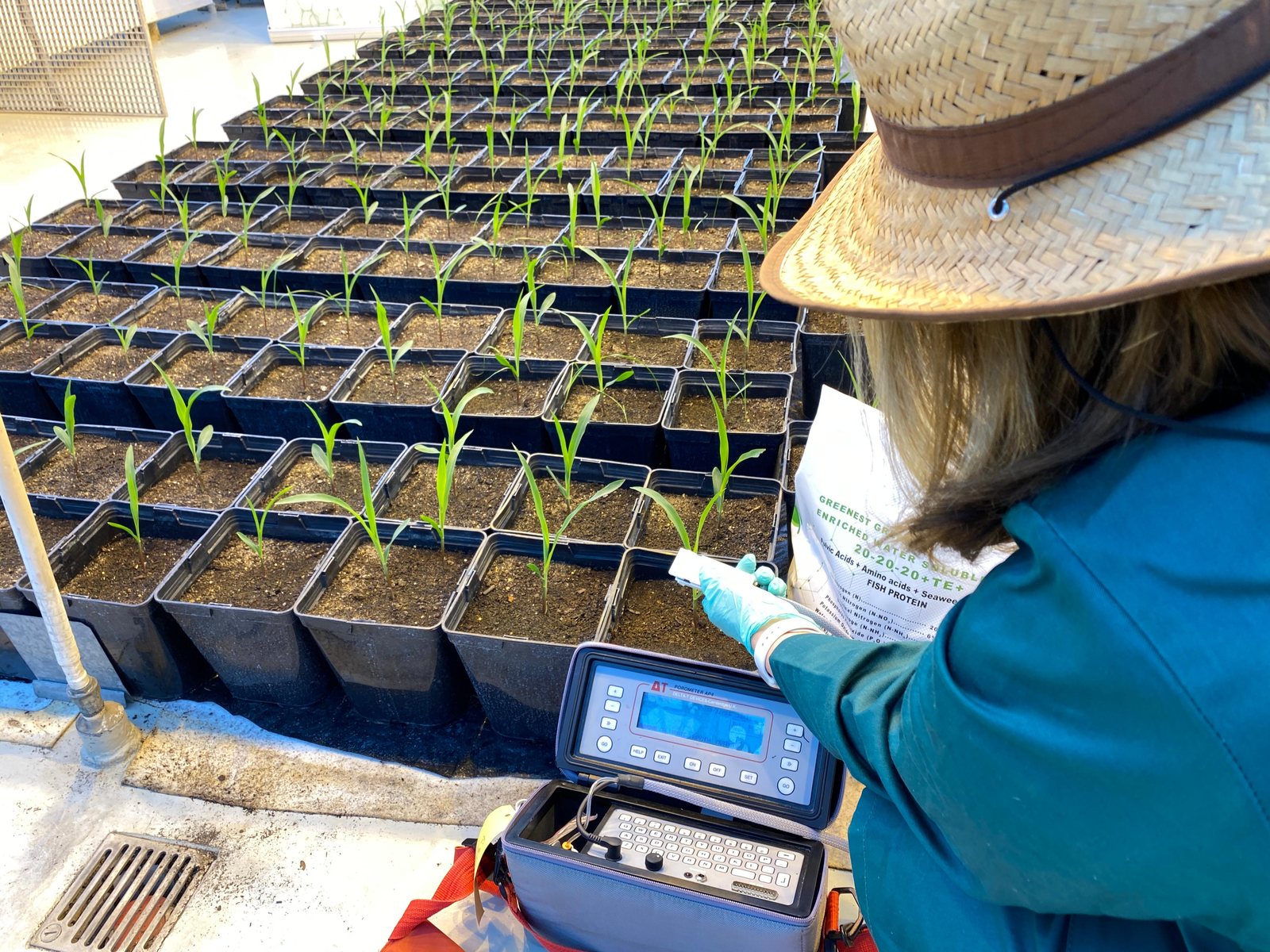
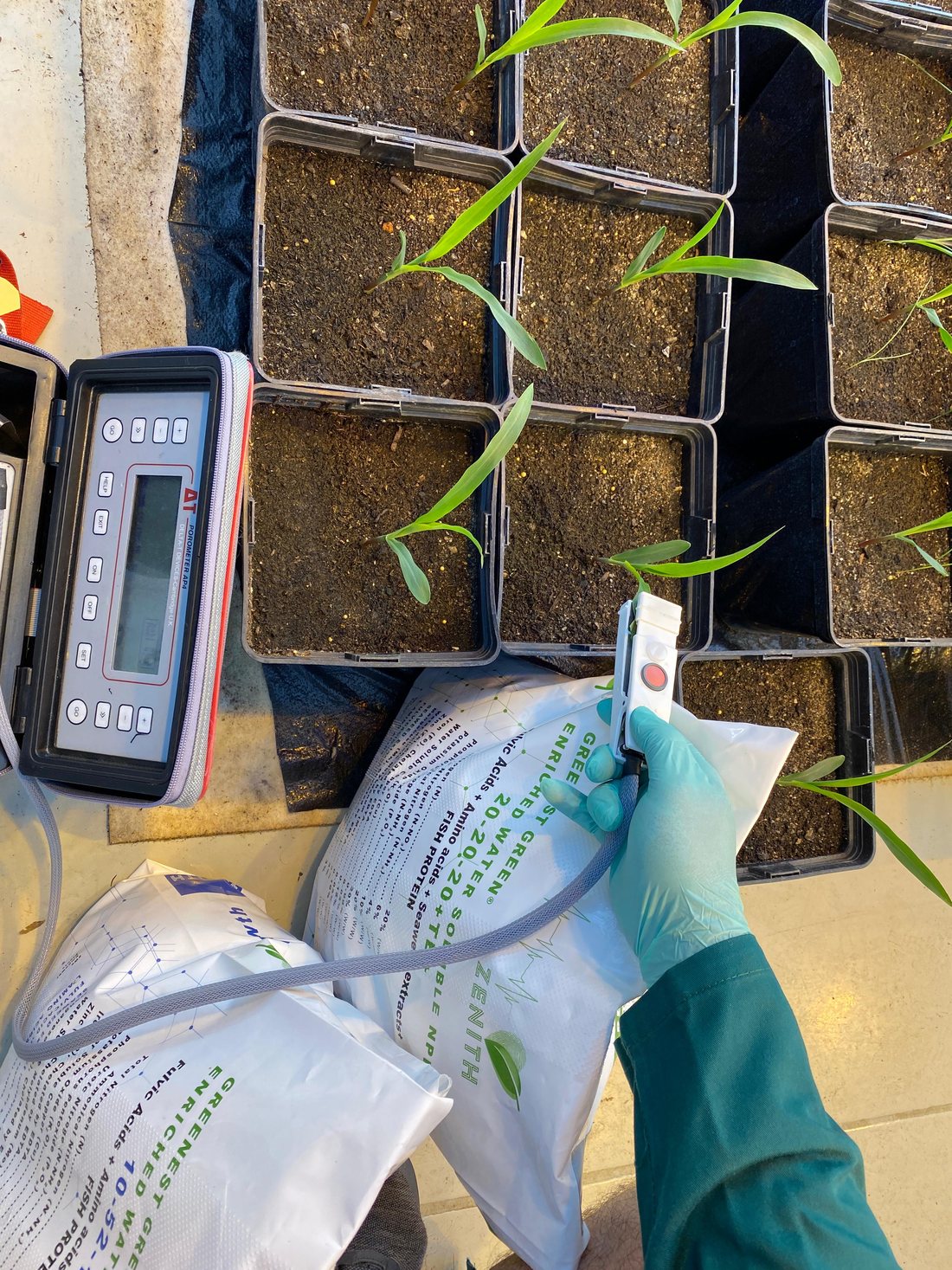
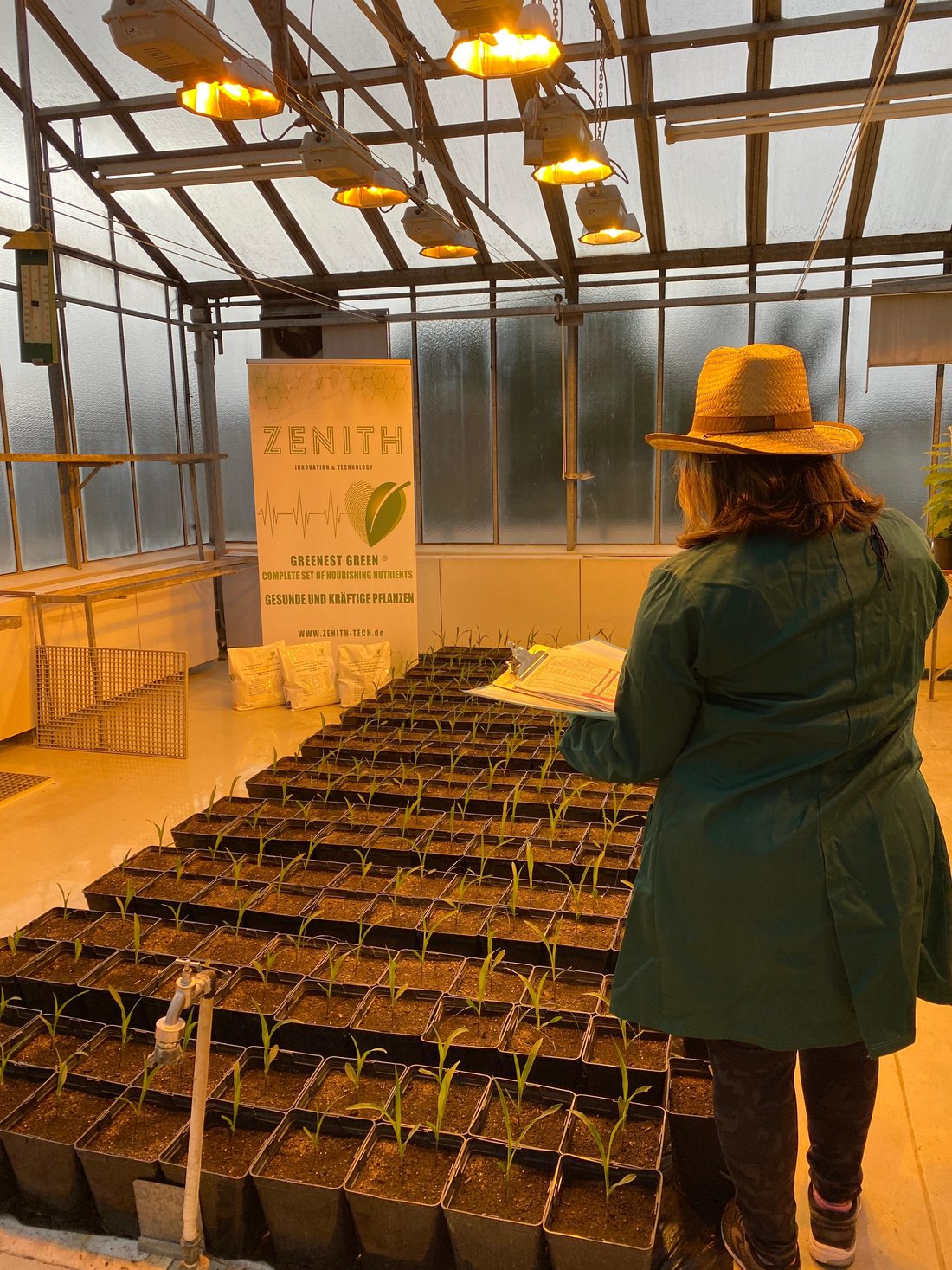
Stomatal conductance, measured with a Delta-T AP4 porometer. A closed stoma stops assimilation regardless of how well fed the crop is, which makes conductance one of the few numbers that reports directly on whether a biostimulant is doing anything at all. Every treatment is run against an untreated control on the same bench, under the same light and the same irrigation.
Using it
Foliar, fertigation and soilless systems. Dissolve into moving water; a correct solution is clear, with nothing settled at the bottom. Apply foliar treatments outside the hottest hours, and carry out a jar test before any new tank mix.
Because the biological fraction acts on plant behaviour rather than on nutrient supply, the response to timing is stronger than the response to rate. Applying at transplanting, at flower induction and through fruit fill does more than applying more at any one of them.
What this line will not do
Chitosan primes the plant’s own defence response. That is not a plant-protection claim and it does not replace a fungicide programme — under Regulation (EU) 2019/1009 a biostimulant may not be sold on a disease-control claim, and we do not make one.
Equally, a biostimulant cannot compensate for a nutrient the crop is genuinely short of. Send the analysis first; if the limitation is mineral, the answer is in another line.
See the trial data before you buy.
Tell us the crop and the stress you are managing. We will send the relevant trial results and tell you honestly whether this line is the right answer.