

Technologies / Line 05
Separate the fractions, then publish which one you sell
Biostimulants and soil correctors
Humic material is not one substance. Humic acid is large and slow and works on soil structure; fulvic acid is small and mobile and enters the plant; amino acids and peptides are taken up almost at once. Most suppliers quote a single combined number, because separating the fractions is difficult and the fulvic figure is usually the disappointing one.
We fractionate to ISO 19822:2018 and publish every fraction on its own line — alongside soil correctors for salinity, pH and structure.
Why a single number hides the answer
A combined humic figure tells a buyer almost nothing, because the fractions behave nothing like each other.
Humic acid is a large molecular assembly. It stays in the soil, builds structure, raises cation exchange capacity and holds nutrients against leaching. Useful, but slow, and it does not enter the plant.
Fulvic acid is small enough to cross the cuticle and the cell wall, stays soluble across the whole pH range, and carries chelated metals in with it. That is the fraction doing the work a grower can see — and it is the expensive one to produce.

In this line
Five products covering the humic range from soil-led to plant-led, plus seaweed and the calcium-silicon route.
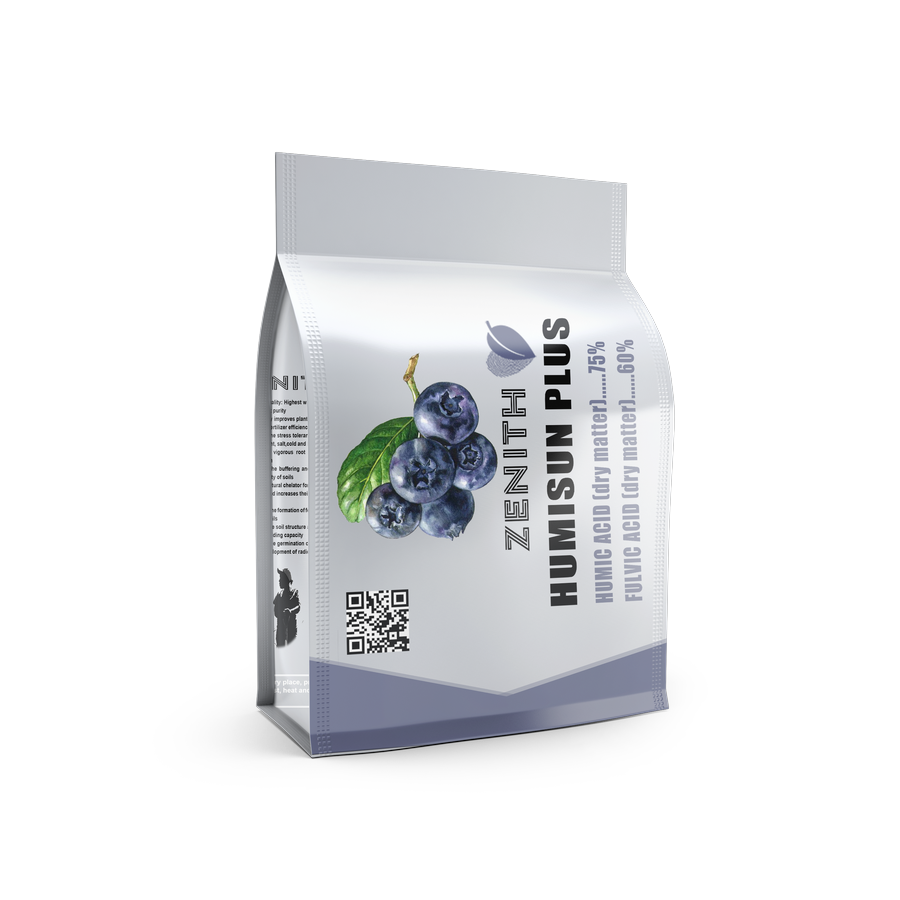
HUMISUN PLUS super potassium humate
The fulvic-led grade. Most of the humic substance is the hydrophobic fulvic fraction — the mobile part that actually enters the plant, and the part every other supplier is quiet about.
Total humic substances 85 % · of which hydrophobic fulvic acid 60–65 % · of which humic acid 20–25 % · K₂O 12 % · fractions to ISO 19822:2018
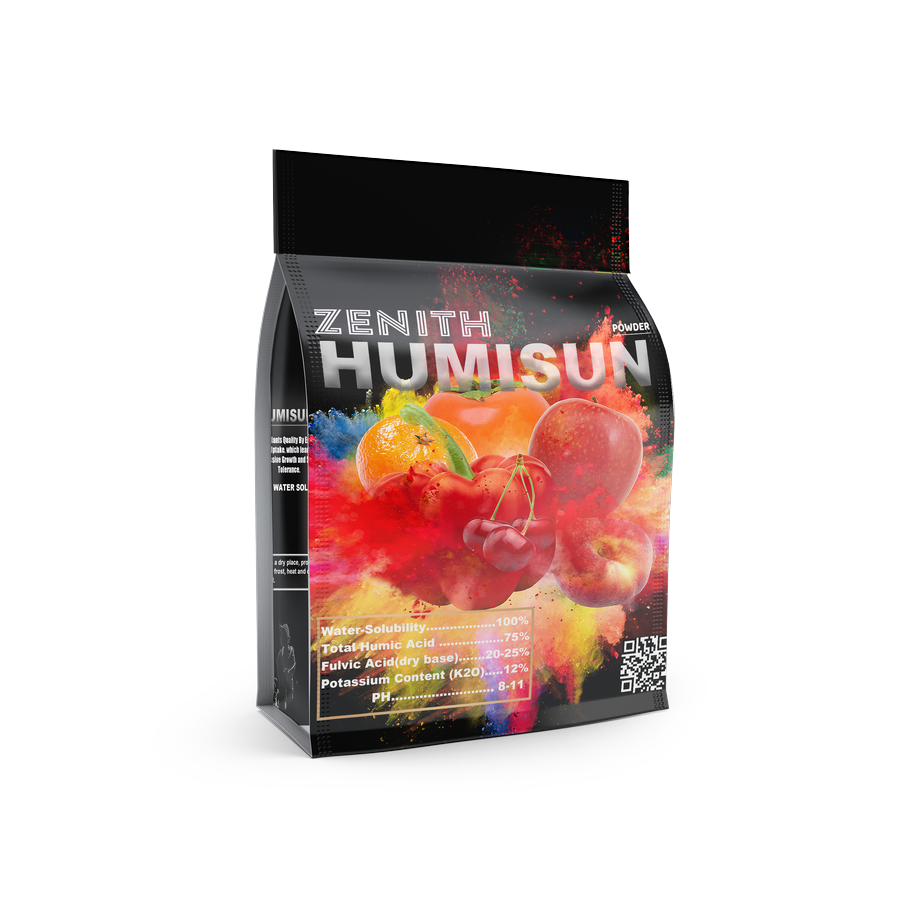
HUMISUN water-soluble potassium humate
The soil-conditioning grade. Humic-led, for structure, buffering and cation exchange capacity, where the work is done in the soil rather than inside the plant.
100 % water soluble · total humic substances and fulvic fraction declared separately · K₂O 12 %
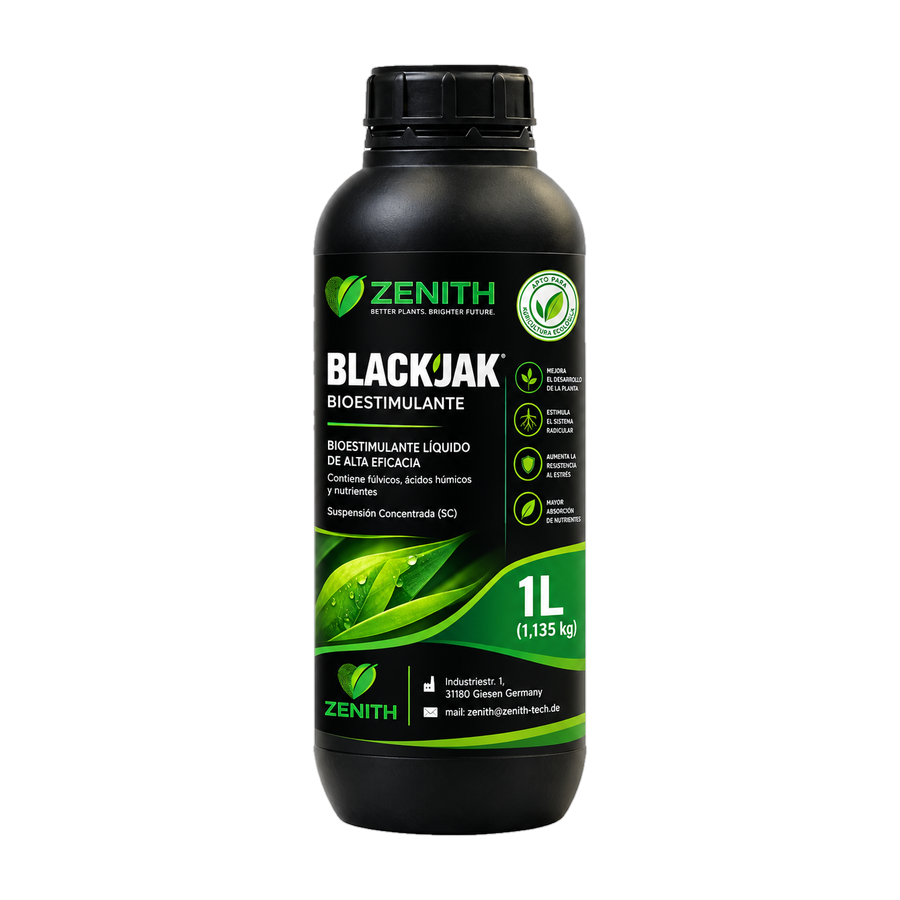
ZENITH BLACKJAK® liquid biostimulant, SC
The acidic route. At pH 4–5 the humic fractions stay as free acids, which keeps micronutrients available and suits hard water and calcareous ground where an alkaline humate would not.
Suspension concentrate · fulvic and humic acids with nutrients · pH 4–5 · 1 L (1.135 kg)
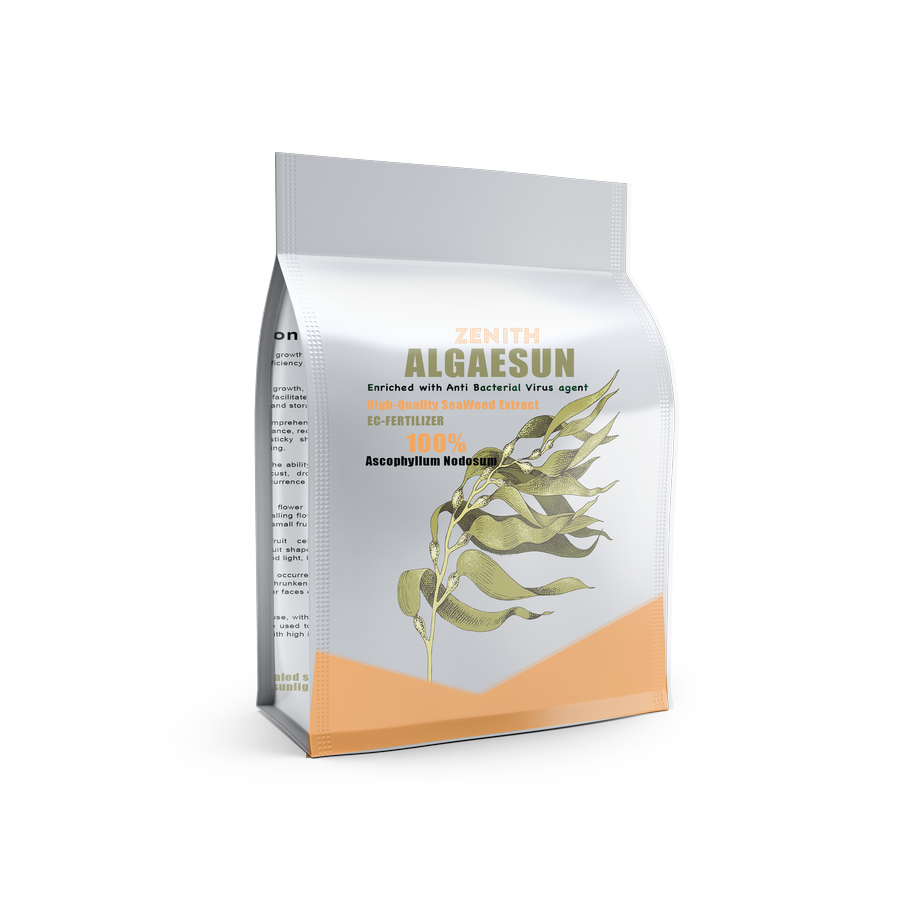
ALGAESUN Ascophyllum nodosum extract
Seaweed extract that contributes almost nothing by weight and a great deal by signal: cytokinin and auxin-like activity, betaines for osmotic balance, alginates for water holding.
100 % Ascophyllum nodosum · EC fertiliser
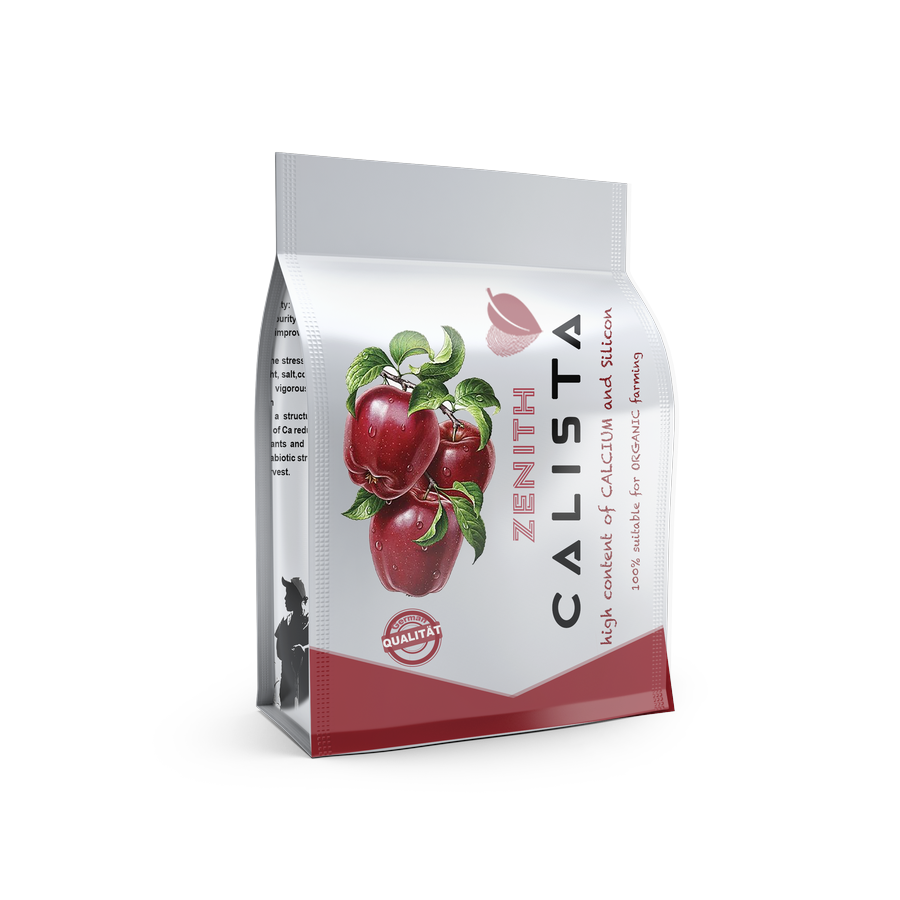
CALISTA calcium and silicon
Calcium for cell-wall integrity and fruit quality, with silicon for structural strength and stress tolerance. The pairing matters more than either element alone.
High content of calcium and silicon · German manufacture
Soil correctors
Where the limitation is the soil itself rather than the nutrition applied to it. Sold against an analysis, never blind.
Calcium with organic acids, to displace sodium from the exchange complex and restore structure on sodic ground.
Correction for high-bicarbonate irrigation water, which raises rhizosphere pH and locks phosphate and micronutrients out of reach.
Humic-led conditioning to build aggregate stability, water holding and cation exchange capacity on tired or compacted soil.
Measured, not asserted
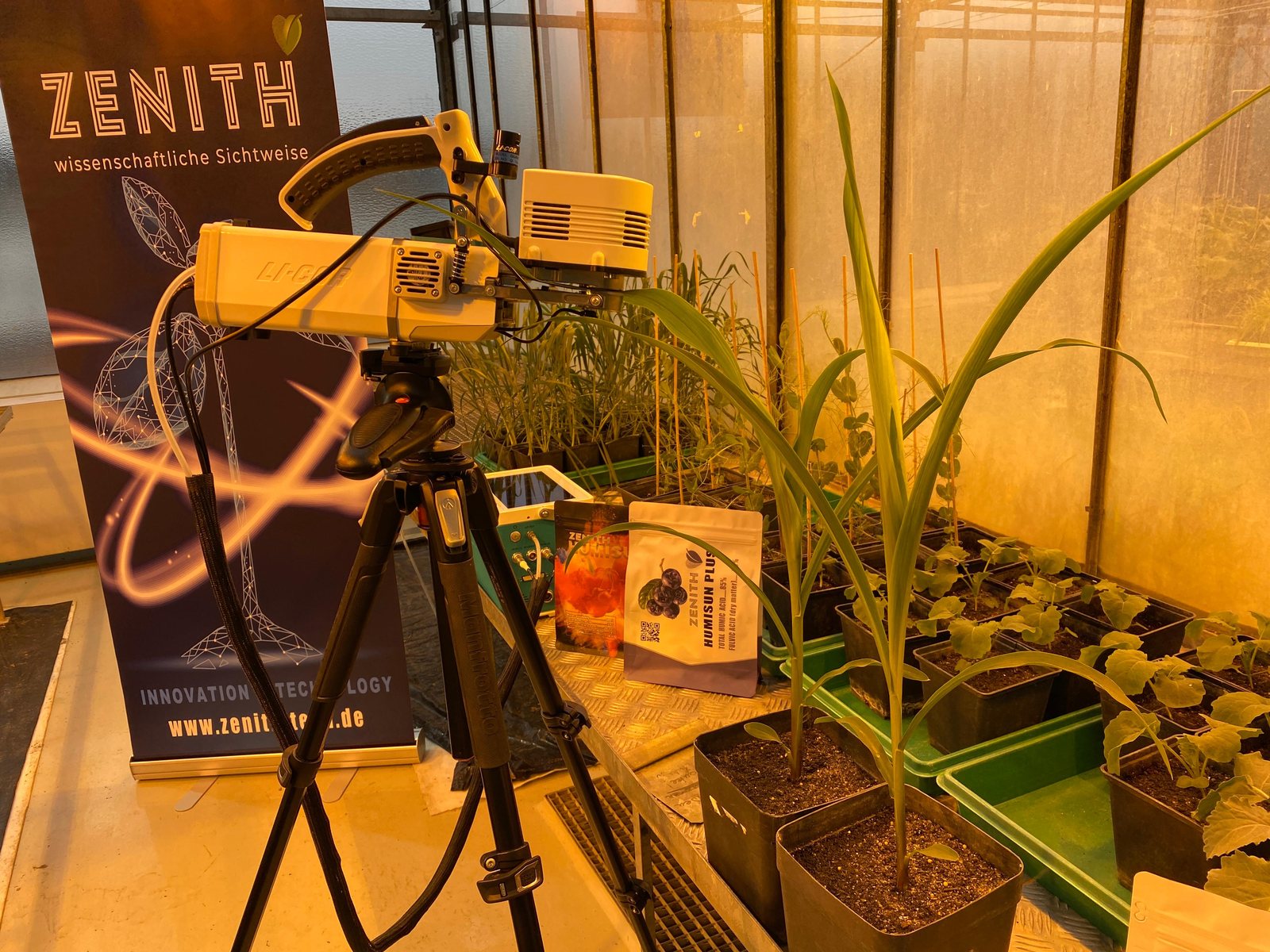
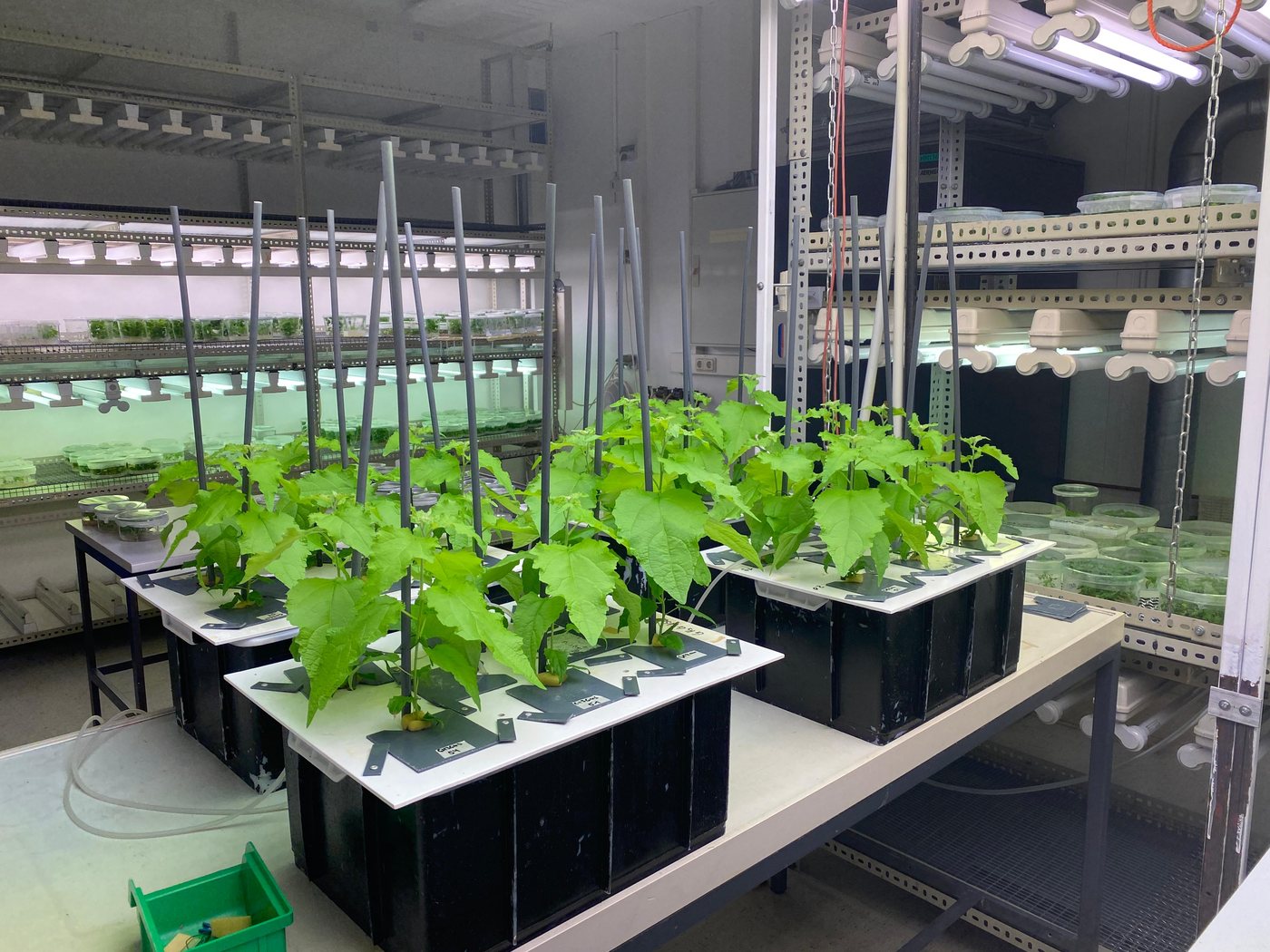
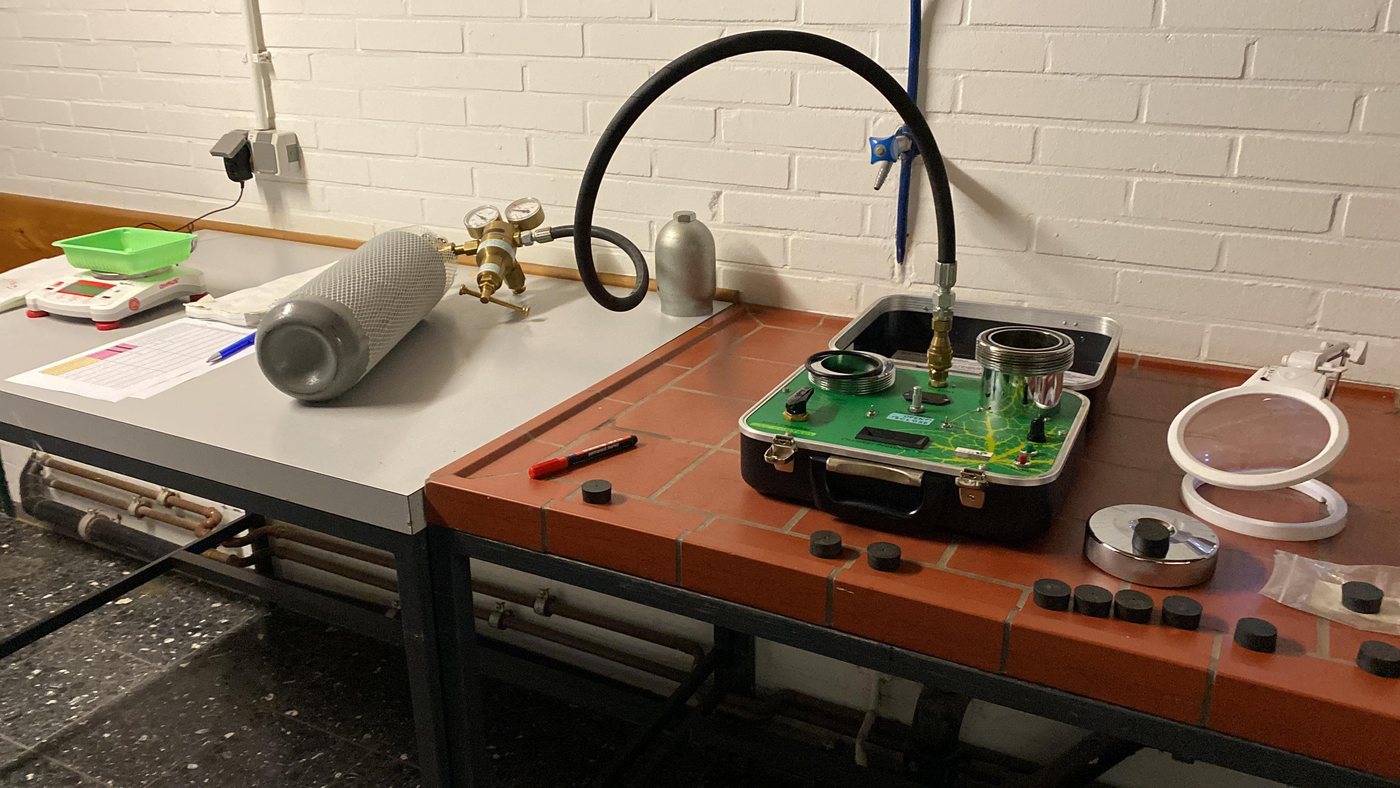
Every batch is analysed before release — humic fractions to ISO 19822:2018, the method printed alongside the number, contaminants against Regulation (EU) 2019/1009. Where a product is trialled rather than simply formulated, it is trialled against an untreated control with instruments rather than impressions.
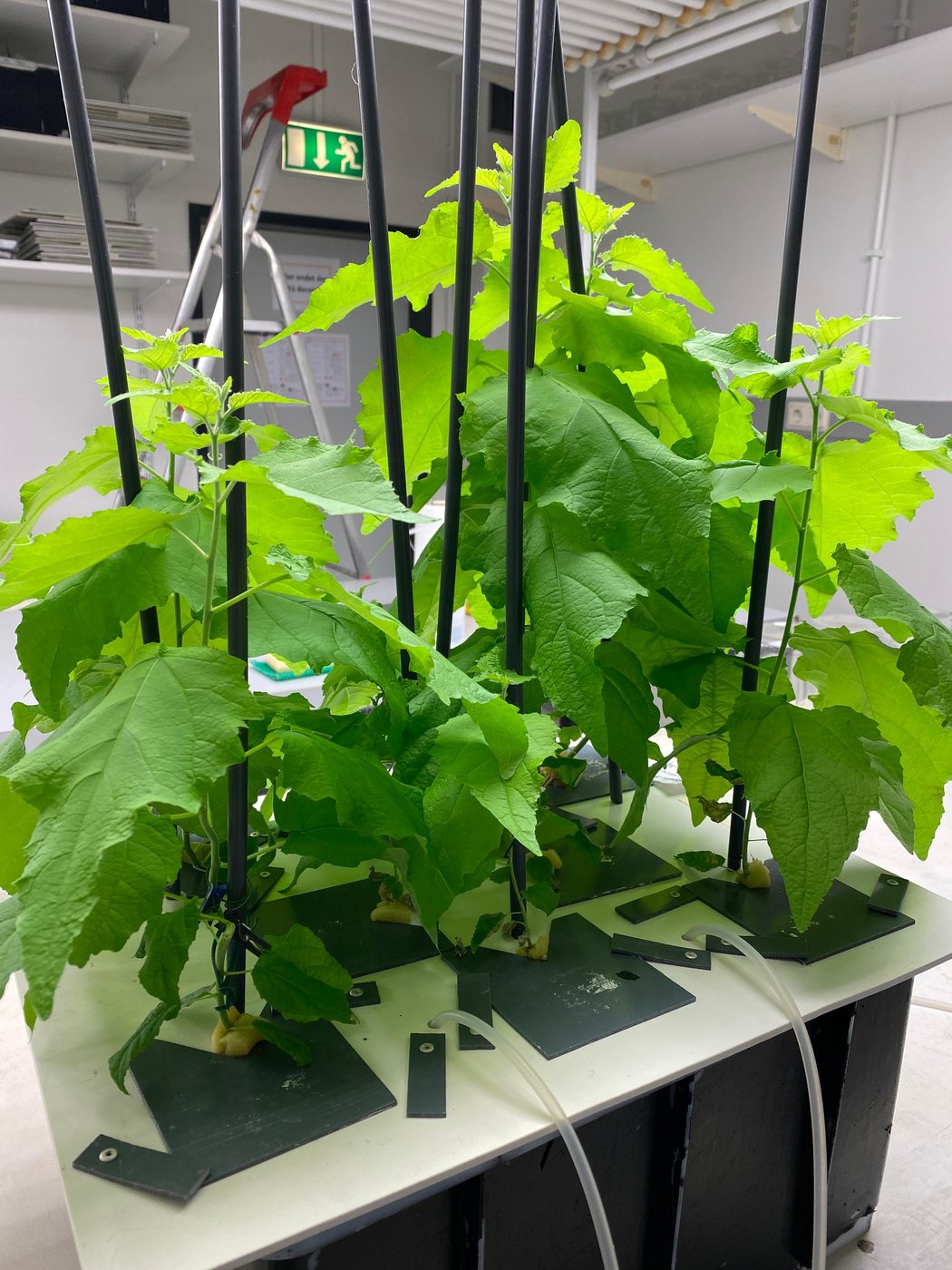
Ask us for the fraction, not the total.
Send the soil analysis and the crop. We will tell you which fraction is the one you actually need — and which of these, if any, supplies it.